
Warming tea for autumn and winter — how to make it
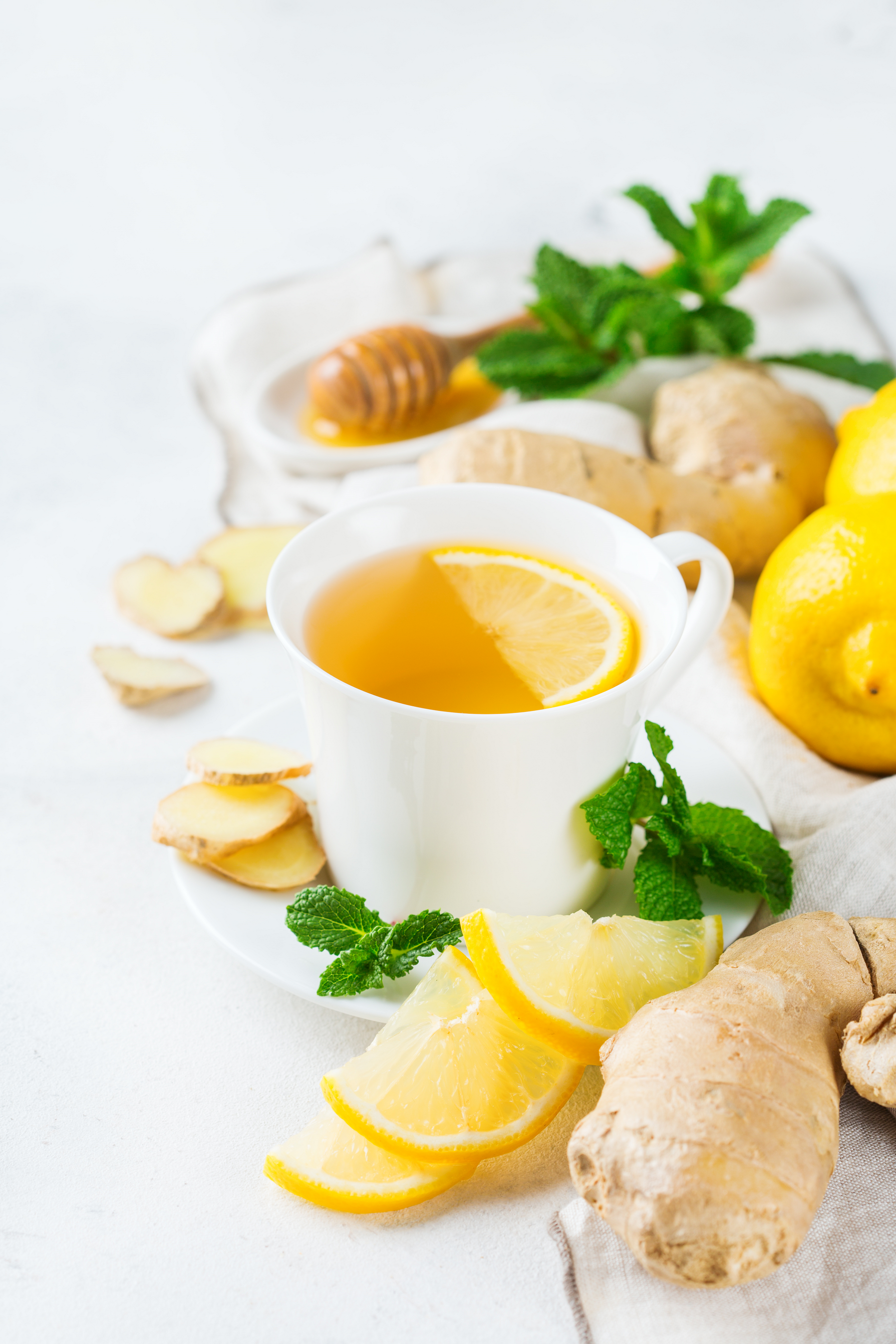
The best additions to black tea
Black tea is wonderfully warming even without extras. If you want to vary its flavour, try lemon, orange, ginger, chilli, cinnamon, cloves, honey, raspberry juice or rosehip juice. These ingredients offer different aromas and nutritional qualities while making your tea especially enjoyable. A few simple preparation tips will help you get the best from your own combinations.
Add honey after the tea has cooled a little. Boiling water changes some of honey's heat-sensitive components and delicate aroma. If you want to preserve those qualities, wait until the drink is around 35–40°C before stirring it in.
Add citrus juice or lemon and orange slices after removing the tea leaves or bag. This also makes it easier to control the steeping time and balance the flavour. You may encounter warnings about aluminium compounds forming when citrus is added to tea; these should not be treated as proof that an ordinary cup of lemon tea is dangerous.
If adding citrus with its peel, wash the fruit thoroughly. Scrub it under running water with a clean brush suitable for food, then rinse well. Choose fruit with peel suitable for culinary use, including organic options where appropriate. Do not use household detergent on fruit.
Ready-made teas for autumn and winter
Warming tea recipes are simple, but what if you run out of a key ingredient? Keep a ready-made blend in the cupboard. Fruit and herbal combinations are particularly useful when you want something fragrant for a cold evening.
Our tea shop offers blends you can enjoy throughout the colder months. One inviting option is our own Albert Tea Relax blend — its name alone suggests a welcome addition to your kitchen. Explore the full tea selection and find a companion for autumn and winter.