Green tea — do you know why it is so popular?

Green tea — an effective pick-me-up
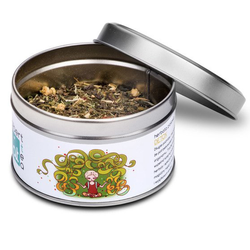
Many people replace coffee with green tea, which has similar stimulating properties. Did you know that a cup can deliver a substantial caffeine dose? Depending on the type, this can be as much as 52 mg per glass. It is therefore a great option for people who do not enjoy coffee's characteristic bitter-sour aftertaste. Green tea also pairs wonderfully with fruity accents. When looking for an alternative to cappuccino or espresso, you can choose your favourite flavour with pomegranate, pineapple, raspberry or quince. Be open to new experiences and try green tea with strawberry or orange. Discover Albert Tea Happiness Mate.
How does green tea affect our health?
When choosing an aromatic drink, consider not just flavour but its health-related qualities too. In this respect, green tea is hard to beat. It provides vitamins and minerals that influence the body's functioning. Notable vitamins include A, B, C and E, which help support immunity, maintain skin and hair condition and combat free radicals. Green tea is also a source of minerals including zinc, potassium, calcium, manganese and copper. These are reasons to enjoy it regularly. A daily cup can help the body manage harmful cholesterol. The drink is recommended as a preventive addition for various concerns, including an increased risk of heart disease, atherosclerosis and stroke. Its possible benefits for thinking processes also deserve mention. Thanks to its high polyphenol content, green tea is associated with protection against dementia through combating harmful substances linked to memory problems. Drinking this aromatic infusion may also help lower blood pressure.

Green tea's popularity and weight management
Caffeine in coffee has long been known for properties associated with weight management and fat burning. Fewer people realise that green tea can act in a similar way. No wonder it is popular in weight-loss diets. Its high flavonoid and caffeine content is central to this effect. These active substances can support fat burning and help regulate metabolic processes, which in turn supports digestion. Green tea is, of course, more than a fat-burning drink: it also provides the vitamins and minerals mentioned above. All this makes it particularly popular among physically active people who want to enrich their diets with important micronutrients.

Green tea as a valuable ingredient in cosmetics
Do you love natural cosmetics with high levels of active ingredients? Green tea is a key ingredient in many such products. A look at today's beauty-store shelves confirms its popularity. More and more people also make natural cosmetics at home. Green tea works well in caring masks, for example. It can be used on the face with yoghurt or moisturising lotion, or on the hair, preferably with egg. Its active substances have anti-inflammatory properties, making it useful for acne-prone skin and hair that tends to become greasy.
Or are you looking for a natural under-eye treatment? Place green-tea compresses cooled in cold water over your eyelids to help reduce puffiness and dark circles. Cold tea can also be the main ingredient in a natural body scrub: combine it with a cup of sugar, half a cup of coconut oil and a little honey. The mixture moisturises the skin and can help with recurring dryness on elbows and knees. Green tea can also be used in oral care: regularly rinsing the mouth with it helps freshen breath and support gum condition.

Green tea has many unusual properties, making it popular with far more than just tea connoisseurs. Consider making it part of your diet and using its skincare qualities to create natural cosmetics from the infusion.