
Slurping, or cupping — the art of evaluating coffee
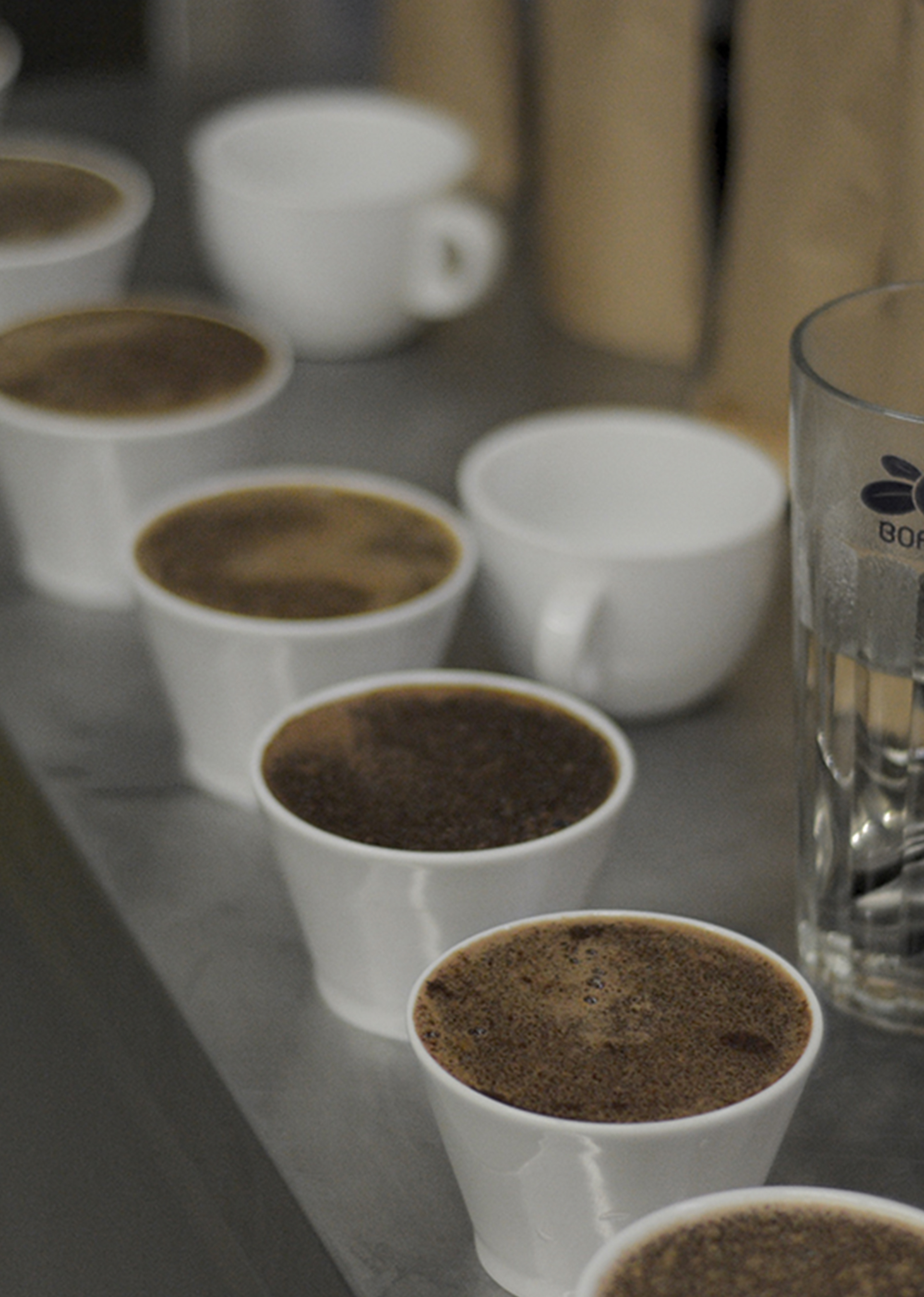
Today, a few words about what we do with coffee and our taste buds to give customers the best flavour experience. In other words, we are taking you into the world of cupping: tasting and describing coffee. If you have always wanted to say confidently that your cup has delicate mandarin notes balanced by a smoked-almond finish, this article is for you!
What is cupping?
Cupping is a method for describing and evaluating coffee's flavour qualities. Everyone who works professionally with coffee uses it for different purposes. Producers assess the value of their beans; importers check that a shipment has not lost quality during its ocean journey; roastery owners choose the roast that best highlights a coffee's strengths. If you think people in the coffee industry mainly spend their time drinking coffee, you are not far from the truth!
Blueberry Roasters — cupping for professionals
Professional coffee drinking differs greatly from casually enjoying a latte on a Monday morning. At BLUEBERRY ROASTERS, we take cupping seriously — though that does not mean it is not fun! Our sensory dream team, Adrian, Sandra, Zuzka and Tomek, takes care of testing the coffees.
We evaluate several coffees together, using a special form to record acidity, bitterness, body, flavour, aroma and aftertaste. Each coffee receives a score, creating a ranking. We have each taken part in hundreds of sessions and probably smelled thousands of coffees, yet every cupping remains interesting. We are not only testing coffee; we are also testing the development and precision of our own senses.
Allow us a little boast: when we are on form, our noses and taste buds can detect more than mandarin, caramel, tobacco or smoky notes. They can also suggest where the coffee came from, how it was processed and how it was roasted!
Can I cup coffee at home?
Of course! For those who drink coffee for pleasure, cupping need not be a laborious exercise requiring extensive sensory training and sophisticated vocabulary. It can be an enjoyable hobby that entertains while developing your senses.
There is more: recognising and describing tastes and aromas — the essence of cupping — is considered by many a step towards mindfulness. In short, drinking coffee can become an exercise in concentration and mental engagement.
Cupping means slurping
Since cupping involves describing coffee, you will need... coffee! Start with two or three coffees that differ in origin, species or roast, so the flavours do not become confusing. A ready-made selection from around the world is ideal.
You need only small samples. Brew medium-ground coffee, preferably freshly ground in a convenient hand grinder, at a ratio of 11 g per 200 ml. Keep the method simple: pour water directly over the grounds at 95°C. After four minutes, break the crust formed by floating particles. Remove the remaining foam and grounds with one or two spoons, taking as little liquid as possible. Then take a spoonful of the brew and... slurp!
A sensory whirlwind
Begin by comparing the main attributes. How strong is the aroma? How acidic does the coffee seem? Is the body full, like thick cream, or light, like tea or water? Does a distinct aftertaste linger, or do you immediately forget the sip? These observations reveal a coffee's basic sensory profile and whether you like it — which is, after all, the point of cupping for pleasure.
Spin the flavour wheel
After the basic attributes comes the most playful stage: describing highly subjective impressions of taste and aroma. We all have different sensitivities, associations and memories. If a coffee reminds you of the smoked ingredients in your uncle's pea soup, write that down without hesitation!
A flavour wheel, a visual guide to commonly recognised tastes and aromas, can help you identify and name notes. If your nose detects something sugary, ask whether it resembles sweets, caramel, maple syrup or vanilla.
Exercising your imagination and refining your palate are just some of cupping's benefits. We encourage you to taste coffees, talk about them and exchange experiences. After all, there is no harm in a cup — or even a mug — of coffee!