A coffee map of the world — where do favourite coffees come from?

Although the average Polish coffee drinker might feel they know everything about a drink they enjoy every day, coffee still holds many secrets. Which coffee is best? What might you choose in the morning or afternoon? Which has bright acidity, and which has chocolate notes? Read on for a journey through some well-known origins.
Ethiopian coffee — where it all began
Ethiopia is a true coffee country. According to a familiar legend, an Ethiopian shepherd noticed animals becoming more energetic after eating coffee cherries, inspiring people to investigate the fruit and eventually prepare a drink. Names and dates vary between versions of the story.
It is easy to understand why Ethiopia is recognised as coffee's birthplace. Coffee still grows wild in its mountain forests, which are an important part of its heritage. Traditional cultivation and smallholder farms remain significant, often on plots of around a hectare or less, although production is not limited to one farming model.
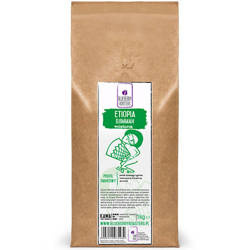
Regions such as Sidamo and Harrar produce celebrated coffees. Sidamo is often associated with floral and fruity aromas and lively acidity. Harrar can have an intense, full-bodied character with berry-like notes.
Colombian coffee — excellence in the cup
Colombia is strongly associated with high-quality coffee and has long been one of the world's leading producers. Coffee cultivation expanded in the nineteenth century, flourishing in the humid Andes and their varied microclimates.
The areas around Medellín, Armenia and Manizales are sometimes referred to collectively as MAM. Colombian coffee names such as Supremo, Excelso and Extra are also encountered in trade; these are not botanical varieties, and grading terminology can vary.
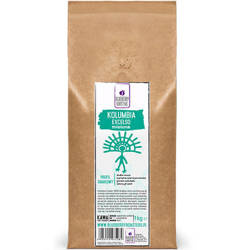
Colombia Supremo is often described as having a developed flavour, gentle acidity and a subtle nutty note, with many examples grown at high elevations. Colombia Excelso can offer a mild, balanced character, gentle acidity and a rich aroma. Darker roasting brings greater bitterness and astringency.
Coffees sold under Extra descriptions may not have the most impressive bean appearance, yet can still offer a distinctive, mild and delicate cup with a touch of acidity. The actual flavour depends on far more than the grade name.
Brazilian coffee — quantity and character
Brazil is the world's largest coffee producer. Its large plantations can cover extensive areas and require substantial work and organisation. Much of its historical production has supplied affordable, approachable coffees, but Brazil also produces outstanding speciality lots.
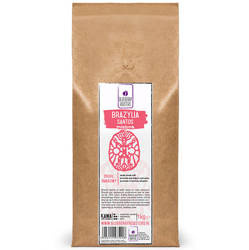
Familiar Arabica varieties include Bourbon, Typica, Mundo Novo, Catuaí and Maragogipe. Brazil Sul de Minas coffees are often associated with a mild, gentle profile, low acidity and chocolate notes. Brazil Santos can offer a balanced cup with a lightly bitter edge.
Brazil also grows Robusta, often called Conilon locally. Another term you may encounter is Rio or Rioy: this describes a medicinal, iodine-like flavour character rather than a coffee species. It is associated with particular microbial and processing conditions and can be used for coffees showing that sensory quality.
Recommended