
Coffee geneticist — how to become one, and why the role matters
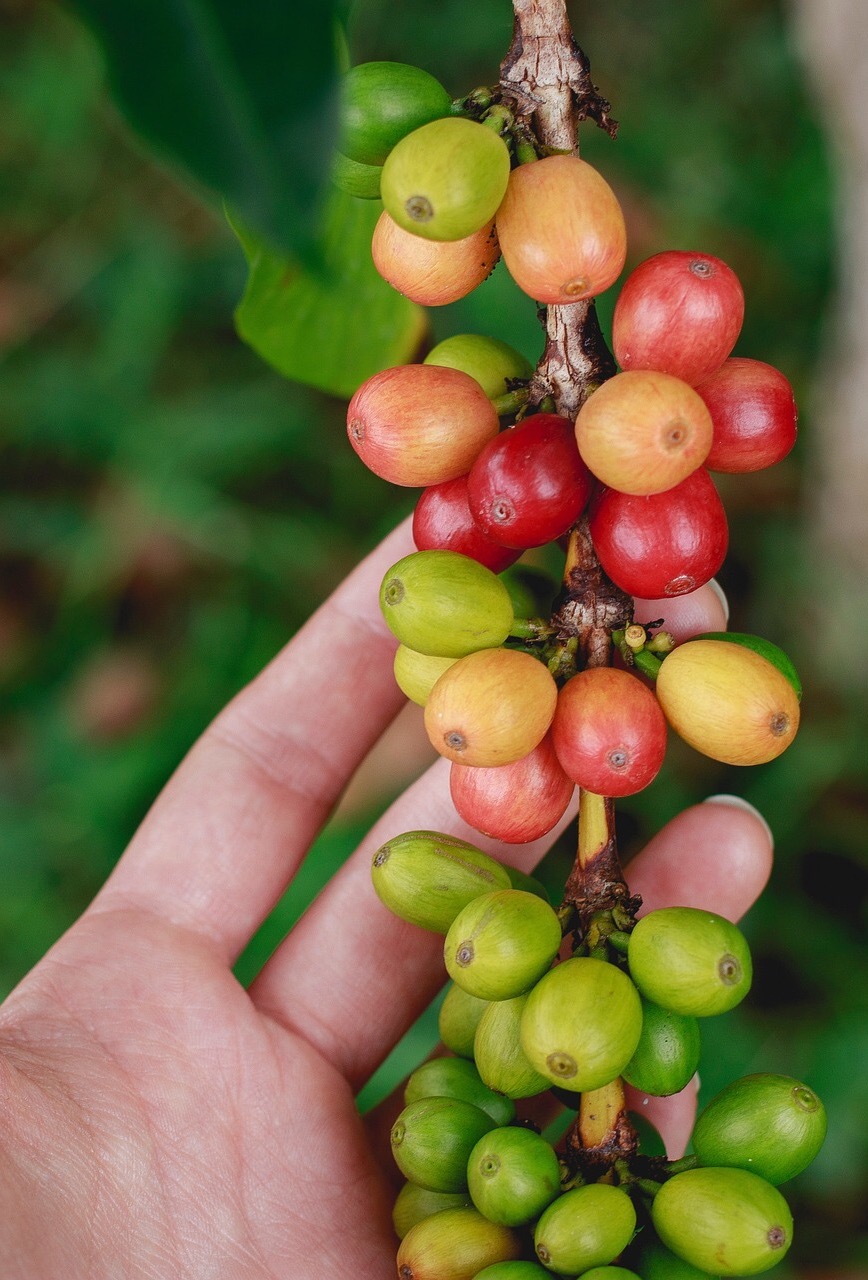
Do you know what a coffee geneticist does? This specialist studies different coffee species, the origins of individual beans and their changing characteristics. The work is particularly important for developing new flavours and identifying the factors behind the distinctive qualities of different coffees.
How do you become a coffee geneticist?
The profession requires knowledge of biology, particularly plant morphology. Specialists examine particular characteristics and how they are inherited. Relevant information is found in the genetic codes of the coffee varieties being analysed. Each code is studied for properties important to the species.
The specialist does not work alone. They draw on growers' knowledge to understand coffee-growing practices in a region and assess whether, and how, different plant-care methods influence flavour.
What does the work involve?
The job often involves travelling to farms growing the coffee under study. Cooperation with growers supplies information for further research. A geneticist also carefully analyses source materials and compares the findings with current cultivation conditions.
Examining beans from individual farms is especially important. Specialists must be prepared for travel between growing areas and time-consuming laboratory work. Many develop their own systems as consistent comparison scales, gradually characterising flavour intensity, bitterness, aroma and other properties of whole-bean coffee.
What is coffee genetics?
In simple terms, it concerns the transmission of characteristics between generations and varieties of coffee. A geneticist studies inheritance using the plant's individual genetic code.
This often involves genetic mapping. Researchers examine where the determinants of particular traits are located on chromosomes. That helps them understand which coffees are related and what possibilities those similarities create.
How are new coffee varieties developed?
A detailed understanding of different varieties' genes makes new combinations possible. A geneticist's knowledge helps identify which apparently different plants can be crossed based on characteristics recorded in their chromosomes.
Knowing which coffee plants can be crossed allows the development of new varieties and new flavour and aromatic profiles. Geneticists usually work with a team of enthusiasts and specialists with years of coffee-growing experience.
What else can a coffee geneticist do?
The work is not limited to developing new varieties. It also involves pursuing the highest possible bean quality. In the broader work of combining different coffees, understanding their characteristics helps determine proportions for a desired taste and aroma.
Specialists know modern research techniques, including those used to map genes. Patience is essential: gaining a deep understanding of coffee varieties takes time and involves analysing many crops.
A skilled geneticist may work with renowned producers to improve bean quality and enrich their range. It can be a deeply satisfying profession. Despite its routine tasks, it is far from boring and suits people for whom coffee flavour and aroma should never be left to chance.
Some develop their own genotyping methods and innovative analytical systems, helping characterise the traits of early crops of a selected coffee species.
You can begin exploring coffee genetics by learning the main characteristics of your favourite coffees. Connect with others interested in the subject who can help link varieties to growing regions. This provides a foundation for delving further into the field.