
Caffeine — eight surprising facts
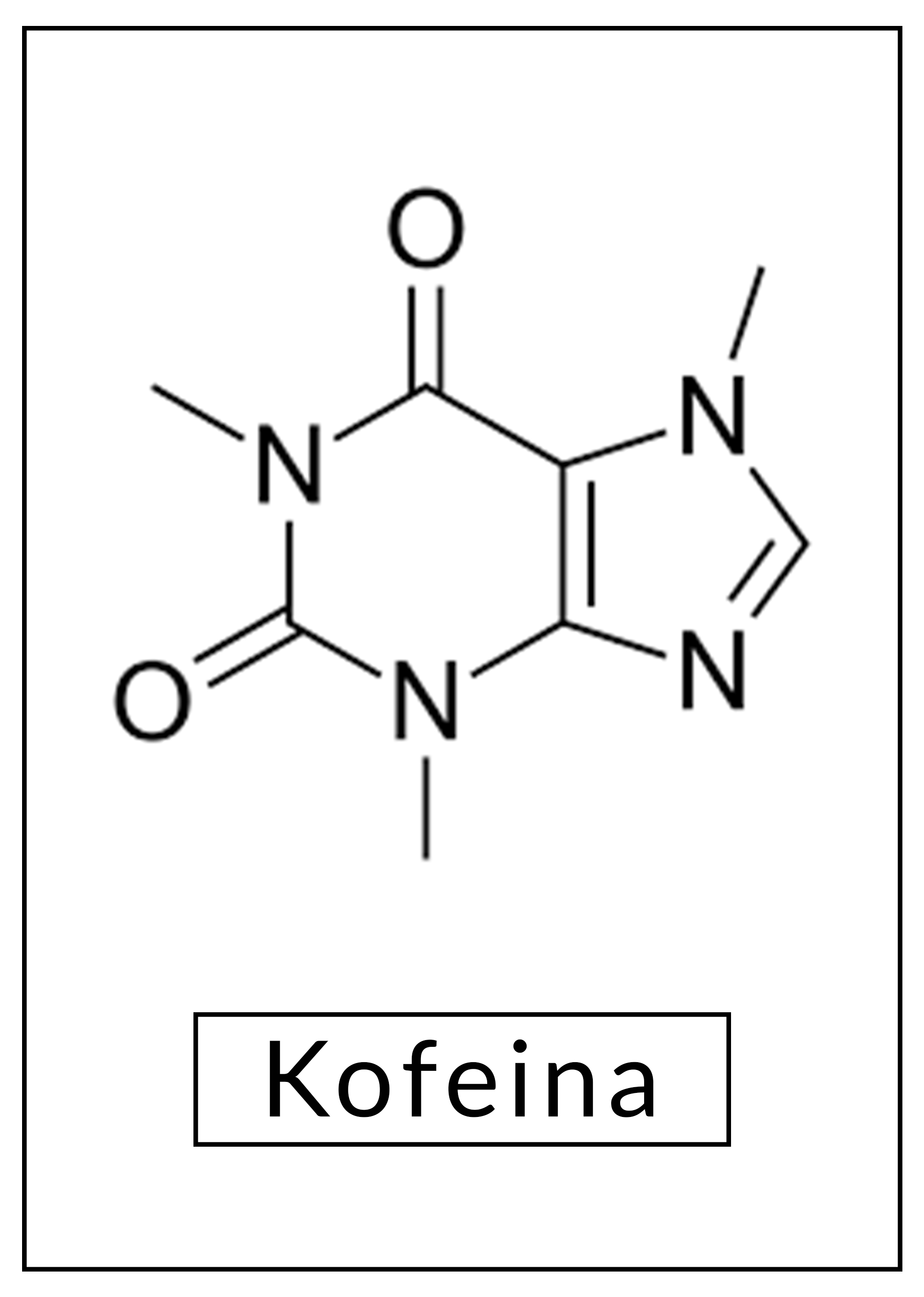
What gives coffee so many distinctive properties? Caffeine is behind many of the ways this drink affects the body. Join us for some surprising facts about this remarkable chemical compound and discover what you may not have known.
1. Caffeine's effect on blood pressure can vary
Many people associate caffeine with a rise in blood pressure. Its effects, however, can depend on how regularly coffee is consumed. Occasional drinkers may experience a noticeable increase; studies discussed in this context have reported a rise of up to 14 mmHg after around 300 mg of caffeine.
Regular consumers may develop greater tolerance. Figures cited for habitual consumption of coffee containing a total of 300 mg caffeine describe an average systolic increase of only 0.55 mmHg. Individual responses differ.
2. Caffeine and dementia research
Alzheimer's disease is a serious illness affecting mainly older adults. Caffeine has attracted research interest in this area. In animal studies, mice given set doses regularly from an early age showed reduced levels of beta-amyloid, a protein associated with Alzheimer's-related changes in the brain. Such findings have encouraged further investigation into possible protective effects of appropriate caffeine intake.
3. An ingredient in anti-cellulite products
Cellulite commonly affects the thighs, buttocks and abdomen and is not limited to people carrying extra weight. Caffeine belongs to the xanthine group and is widely used in products targeting its appearance.
Its proposed action involves phosphodiesterase activity and fat-cell metabolism, alongside stimulation of metabolic processes in the skin. Coffee-based scrubs are one popular example of caffeine-containing skincare.
4. Other cosmetic uses
Beyond anti-cellulite products, caffeine appears in shampoos intended to help reduce hair shedding and support fuller-looking hair by stimulating follicles. It is also found in creams and ointments for puffiness, where its effects on local circulation are valued, and in products targeting dark circles beneath the eyes.
5. Caffeine and sport
It is no secret that caffeine is stimulating, but it can also support endurance. That helps explain why whole-bean and ground coffee became popular among athletes.
Discussions of caffeine in sport have historically included urine-concentration thresholds and comparisons with five or six cups of coffee. Such figures reflect older sporting rules rather than a universal current limit, so competitors should check the rules applying to their discipline.
6. What determines caffeine content?
The beans and preparation both matter. Example figures cited for a 175 ml cup include up to 180 mg for Hawaiian coffee, 177 mg for coffees from Guatemala and El Salvador, 160 mg for Costa Rica, and 140 mg for Brazil and Ethiopia. These comparisons illustrate possible differences rather than a fixed caffeine level guaranteed by origin.
7. How quickly does caffeine work?
Many coffee drinkers notice an effect quickly, sometimes around ten minutes after the first sip. Peak stimulation comes later, often around 45 minutes. Effects can persist for as long as five hours, although the noticeable feeling may be shorter.
8. Caffeine is a natural pesticide
Did you know caffeine helps plants defend themselves against pests? Robusta's high caffeine content contributes to its relatively easy cultivation and resistance to harmful insects.
Caffeine has many interesting effects, making coffee a fascinating part of everyday life. Consider the timing that suits you and explore the qualities of your favourite cup.